I’m not going to bury the lead on this as it may be all you need! If you want some background you can then choose to read further…
When designing an agenda, under every single agenda item and/or exercise, explain the purpose of why it is on the agenda. Every single time!
It’s truly as simple as that. Let me explain why …
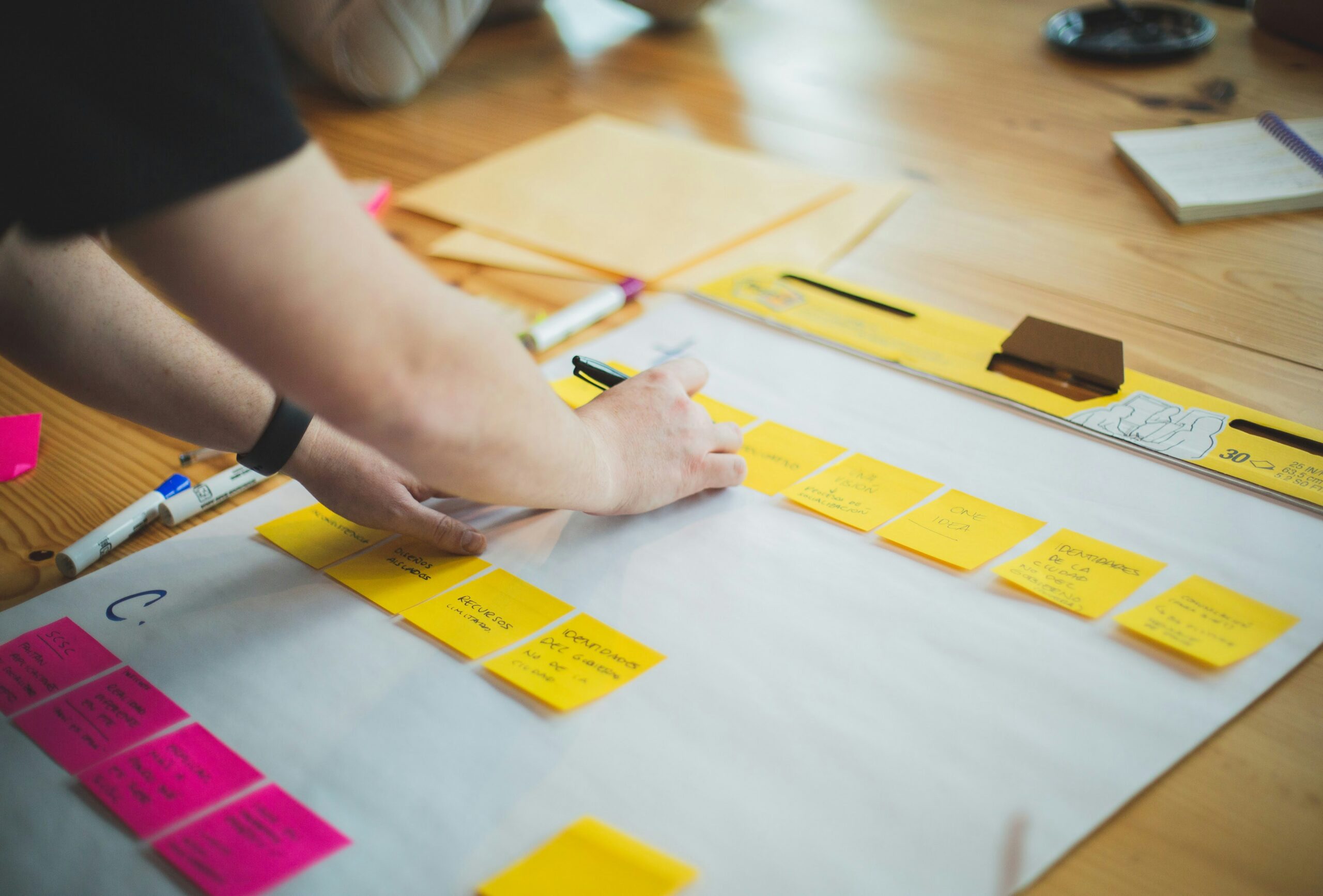
This works for regular weekly meetings, Board meetings, leadership retreats or all-staff check in meetings. It doesn’t matter whether you are a full-time facilitator or leading your own team meeting. It’s simple and it works.
I started doing this years ago when I was designing complex leadership gatherings for upwards of 100 people with at least a dozen people highly invested in the content of the three days we had together and where everyone wanted their time ‘on stage’. By making the implicit explicit it created a forcing function that allowed us to have rigorous debate on what to include vs what to leave out (or provide in a different format – e.g. a handout or table poster, not taking up all the bandwidth of the group). I then came to realize that it was valuable to do for every meeting where there was more than one person in the room (which definitionally is what makes it a meeting!) The reasons behind this are:
- It forces me to get clear on the purpose of the overarching meeting as well as individual components.
- It provides rationale for more creative exercises when I have them and creates a link to the overall purpose. A through-line if you like.
- Whether or not I choose to explain the thinking behind an exercise or item – which I sometimes do with ‘head-type’ skeptics who may get frustrated by process – it gives me confidence to introduce them. And that in itself shifts the energy of the room.
- When I am working for a group, or co-creating with a team, it helps to ensure that we are all on the same page about the meeting or gathering and to create space to clear up any mis-understandings before we are in the meeting.
It can feel to me over-engineered if it’s a quick hour-long meeting that is not process heavy. And sometimes I do it in my head rather than writing it down. But I’ve learned that when I skip the step altogether, then the meetings suffers.
Photo by Brands&People on Unsplash